
Did you know that applying Lean principles can revolutionize businesses and enhance efficiency and customer satisfaction? While Lean originated in manufacturing, it has the power to reshape the service industry as well. However, the differences between Lean implementation in service and manufacturing are significant and must be taken into consideration for successful adoption.
Key Takeaways:
- Lean principles can be applied to both service and manufacturing sectors.
- Lean in manufacturing focuses on optimizing production processes and minimizing waste.
- Lean in service requires adaptations to meet complex customer needs and provide personalized experiences.
- Service processes tend to be more complex and often rely heavily on IT systems.
- Trust, adaptability, and a culture of continuous learning are essential for sustainable Lean transformations in both sectors.
Lean in Manufacturing
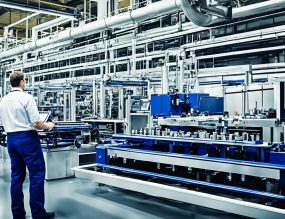
Lean principles are not limited to the service industry. In fact, manufacturing has long embraced Lean techniques to optimize the production process and improve efficiency. By focusing on flow, just-in-time processes, and respecting people, Lean methodologies in manufacturing aim to eliminate waste and create value for the customers.
One key aspect of Lean manufacturing is standardization. By establishing standardized work processes and procedures, organizations can achieve consistency and efficiency in their operations. This ensures that tasks are performed in the most effective and streamlined manner, minimizing errors and reducing waste.
In addition to standardization, continuous improvement is a fundamental element of Lean in manufacturing. It involves empowering all employees to identify problems, suggest improvements, and participate in problem-solving activities. This collaborative approach enables organizations to make incremental improvements over time, leading to increased efficiency and effectiveness.
To facilitate Lean process improvement in manufacturing, various tools and techniques are utilized. These include:
- Value Stream Mapping: This technique visually maps out the entire production process, identifying areas of waste and opportunities for improvement.
- 5S: A methodology that promotes workplace organization, cleanliness, and standardized processes to increase productivity and safety.
- Kanban: A system that enables just-in-time inventory management, ensuring that materials and resources are available when needed.
By implementing Lean techniques in manufacturing, organizations can improve their overall operational performance, reduce lead times, and increase customer satisfaction. The continuous pursuit of waste elimination and process optimization allows businesses to remain competitive in today’s dynamic marketplace.
Lean Manufacturing Case Study
“Company XYZ, a leading automotive manufacturer, implemented Lean principles on its assembly line. By eliminating non-value added activities and optimizing the production process, the company reduced cycle time by 30%, increased throughput by 20%, and improved overall product quality. These improvements not only enhanced customer satisfaction but also resulted in significant cost savings for the organization.”
| Lean Tool | Description | Benefits |
|---|---|---|
| Value Stream Mapping | A visual representation of the flow of materials and information throughout the production process, highlighting areas of waste and inefficiency. |
|
| 5S | A workplace organization methodology involving the principles of sort, set in order, shine, standardize, and sustain. |
|
| Kanban | A pull-based inventory management system that ensures materials are replenished only when needed. |
|
Lean in Service
Lean principles can be applied to various industries, including the service sector. However, implementing Lean in service organizations requires some important adaptations to account for the unique challenges and objectives of the industry. In service organizations, the relationship between customers and employees is different from that in manufacturing, and the focus is on meeting complex customer needs rather than optimizing production processes.
One key aspect of Lean implementation in the service industry is the emphasis on standardization of service delivery methods and processes. While manufacturing focuses on standardizing the product itself, services require standardization in how the service is delivered to ensure consistency and quality. By standardizing service processes, service organizations can eliminate waste and improve efficiency.
Lean tools play a crucial role in identifying and eliminating waste in service processes. Value stream mapping, for example, is a powerful Lean tool that helps service organizations visualize the flow of activities, information, and materials involved in delivering a service. By mapping the value stream, organizations can identify bottlenecks, redundancies, and other sources of waste, allowing for targeted improvements and enhanced customer satisfaction.
“Lean methodologies have proven to be highly effective in the service industry, helping organizations streamline processes, reduce costs, and deliver exceptional customer experiences. By applying Lean tools such as visual management and problem-solving techniques, service organizations can identify opportunities for improvement and implement sustainable changes.”
Visual management is another valuable Lean tool that assists service organizations in creating a visual representation of performance metrics, progress, and goals. By making the metrics and goals visible to all employees, it promotes accountability and encourages a culture of continuous improvement.
Problem-solving techniques, such as the 5 Whys and root cause analysis, can also be applied in service organizations to identify and address the underlying causes of problems or inefficiencies. By identifying the root causes, organizations can implement targeted solutions that eliminate waste and improve service delivery.
To summarize, Lean principles and tools can be adapted and applied in the service industry to enhance efficiency, eliminate waste, and improve customer satisfaction. Through standardization, value stream mapping, visual management, and problem-solving techniques, service organizations can deliver high-quality services that meet the needs of their customers effectively.
Customer Engagement in Manufacturing vs. Services
In the realm of manufacturing, customer engagement typically occurs primarily at the beginning and end of the process. Customers provide input during the initial stages where product designs are finalized, and then their interaction is minimal until the final product is delivered. There is limited customer involvement in the production process.
However, the landscape is quite different in the services industry. Customers in this sector have complex needs that often require them to express their requirements in their own terminologies. As a service organization, it is crucial to engage with customers to understand their evolving needs and expectations.
Customer engagement is a vital component of service delivery, as it enables organizations to continuously improve customer satisfaction. Service providers must have the flexibility and adaptability to meet customer needs effectively. By actively engaging with customers, service organizations can gather valuable insights to shape their offerings and tailor their services to better meet customer requirements.
“Your customers are the lifeblood of your business. Engaging with them allows you to gain a deeper understanding of their unique needs and expectations.”
Adapting to Customer Needs in Service Organizations
In service organizations, every customer interaction is an opportunity to gather feedback and insights. Listening to your customers and understanding their preferences helps you align your offerings with their specific needs. This customer-centric approach allows service providers to continuously improve service delivery and enhance customer satisfaction.
Service organizations must embrace customer input and actively seek customer feedback. By doing so, they can identify areas for improvement and implement changes to better meet customer expectations. This feedback loop fosters a strong relationship between service providers and customers, leading to increased customer loyalty and long-term business success.
Crafting Personalized Experiences
Unlike in manufacturing, where the customer experience is often primarily based on the quality of the final product, the service process itself is the product in the services industry. Every touchpoint and employee activity throughout the service journey significantly impacts the customer experience.
Service organizations must prioritize delivering personalized experiences that cater to the unique needs of each customer. By engaging with customers and understanding their preferences, service providers can craft tailored service experiences that leave a lasting positive impression.
Continuously Improving Customer Satisfaction
Customer engagement plays a crucial role in driving continuous improvement in service organizations. By actively involving customers in the service delivery process, service providers can identify areas of improvement and address potential bottlenecks or pain points.
Through customer engagement, service organizations gain valuable insights into the evolving needs and expectations of their customers. This information can then be used to refine service offerings, streamline processes, and enhance overall customer satisfaction.
Learning and Experimentation in Manufacturing vs. Services
The rate of staff learning and experimentation is generally faster in services compared to manufacturing. This is due to the nature of service processes, which allow for simultaneous experimentation and quick modifications. Service organizations have the opportunity to constantly learn from customer feedback and adapt their offerings accordingly. The ability to run fail-safe experiments and make quick adjustments is essential for continuous improvement in service organizations.
Benefits of Staff Learning in Services
- Service organizations can quickly gather customer feedback and make necessary improvements.
- Simultaneous experimentation enables service providers to test different approaches and refine their processes in real-time.
- Adapting to changing customer needs becomes easier as service organizations continuously learn and evolve their offerings.
“Learning and experimenting in services allows organizations to fine-tune their service delivery and create a competitive advantage based on customer satisfaction.”
On the other hand, manufacturing processes often require more structured and controlled experimentation due to the nature of physical production. Modifications and improvements in manufacturing may involve significant investments and time, making it more challenging to implement changes rapidly.
Experimentation Strategies in Services
- Implement controlled experiments in small, manageable increments to test new service delivery approaches.
- Utilize customer feedback and data to continuously refine and improve service processes.
- Encourage a culture of innovation and learning among staff, empowering them to propose and experiment with new ideas.
In conclusion, the service industry offers a unique environment for staff learning and experimentation. The dynamic nature of service processes allows for quick adaptations based on customer feedback, ultimately leading to improved customer satisfaction. Lean in services emphasizes the importance of continuous improvement through experimentation and the ability to make rapid adjustments.
Adaptability and Trust in Lean Transformations
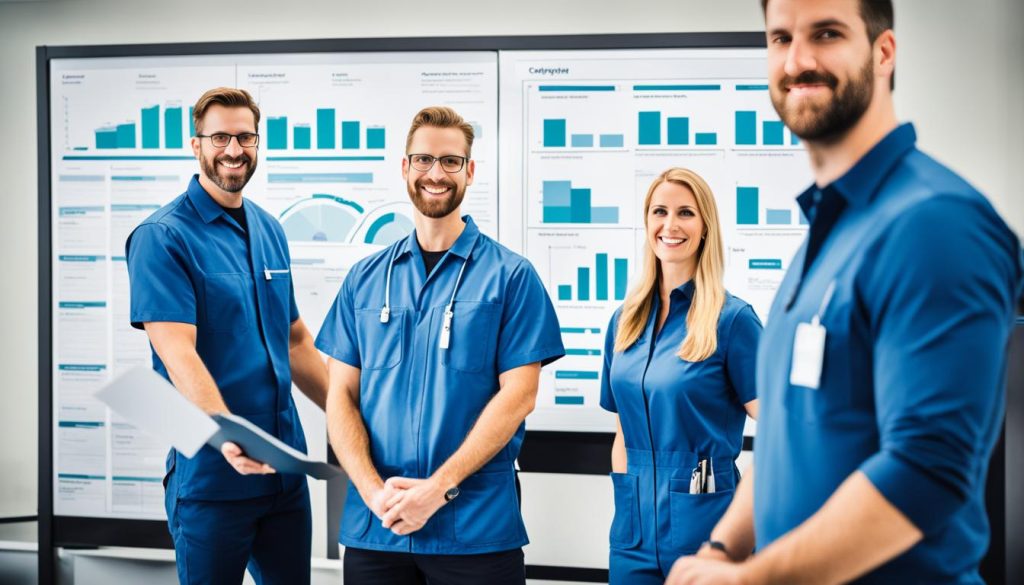
Adaptive business transformations and trustworthy management are key components of sustaining Lean sustainability in both service and manufacturing sectors. Lean transformations require adaptability to create an environment that empowers employees and encourages problem-solving. Trust between management and staff is vital for the success of a Lean program, as it fosters open communication and collaboration.
In service organizations, it is crucial to cultivate an adaptive work climate that allows employees to respond to changing customer needs and market demands. This adaptability enables service providers to continuously improve their processes and deliver high-quality services. By embracing change and empowering employees to make decisions, service organizations can stay competitive and provide exceptional customer experiences.
“In order to make Lean transformations successful, top-level management needs to build trust and create an inclusive environment where employees feel valued and empowered. Trustworthy management fosters a culture of continuous improvement and encourages employees to embrace Lean principles in their day-to-day work.”
However, building trust can be challenging, especially if there is a legacy of distrust from previous organizational experiences. It is essential for management to actively address any past issues and clearly communicate their commitment to Lean principles and employee well-being. By demonstrating transparency, providing support, and giving employees ownership over their work, trust can be established and deepened throughout the organization.
In manufacturing, trust plays a vital role in Lean transformations as well. Trustworthy management creates an environment where employees feel comfortable sharing ideas, identifying problems, and participating in continuous improvement initiatives. This trust empowers employees to take ownership of their work and contribute to the Lean journey.
Ultimately, adaptability and trust are crucial for Lean transformations in both service and manufacturing sectors. By fostering an adaptive work climate and building trust between management and employees, organizations can sustain Lean practices and continuously improve their processes, resulting in increased efficiency, customer satisfaction, and long-term success.
Service Process Complexity vs. Manufacturing Process
When comparing service processes to manufacturing processes, one key distinction is the complexity involved in service transactions. Service processes tend to be more intricate due to the unique nature of customer interactions, the involvement of multiple decision points, and the reliance on various computer systems.
In manufacturing, waste and value creation are often more visible, as they are tied to physical materials and production flows. However, in service industries, value creation and waste are heavily influenced by data flow and can be hidden within computer systems. This makes it challenging to identify and address inefficiencies without the right tools and methodologies.
Value stream mapping is a powerful technique that can help service organizations visualize and identify bottlenecks, waste, and areas for improvement within their processes. By mapping out the entire flow of a service from customer request to fulfillment, organizations can gain a holistic understanding of their process and pinpoint areas where value is being lost.
“Value stream mapping allows us to see the flow of activities in our service processes and uncover where waste is hiding. It’s like shining a light in the dark corners of our operations and finding opportunities for improvement.” – Jane Thompson, Operations Manager
With value stream mapping, service organizations can better understand the flow of information, decision-making, and resource allocation within their processes. It enables them to identify delays, redundancies, and other forms of waste that hinder efficiency and customer satisfaction.
By leveraging value stream mapping and other Lean tools, service organizations can optimize their processes, reduce complexity, and deliver a seamless customer experience. It empowers them to continuously improve their service offerings and drive operational excellence.

Successful Applications of Value Stream Mapping in Services:
- Identifying and eliminating non-value-added activities and process bottlenecks
- Improving communication and coordination between different departments and stakeholders
- Streamlining decision-making processes and reducing lead times
- Enhancing the customer experience by eliminating delays and errors
- Identifying opportunities for automation and technology integration
By embracing value stream mapping and other Lean methodologies, service organizations can unlock their full potential, streamline their operations, and achieve sustainable growth.
Customer Interaction in Manufacturing vs. Services
In the realm of customer interaction, there are notable distinctions between manufacturing and services. While customer involvement in manufacturing processes is rather indirect and limited to the experience of the final product, services thrive on a more intimate relationship between the customer and the process itself. In fact, the process is the product in services, and every employee activity has a profound impact on the customer journey. As a service organization, it is vital to prioritize delivering a personalized and customer-centric experience throughout every step of the service process.
Service providers need to go above and beyond merely meeting customer expectations. By actively engaging customers, anticipating their needs, and addressing concerns promptly, service organizations can nurture a strong and lasting relationship with their clientele. Understanding the intricacies of the customer journey in services is key to achieving this goal.
Enhancing the Customer Journey in Services
A successful customer journey in services consists of various touchpoints where customers interact with the organization. It is crucial to pay close attention to each stage of the journey to identify areas for improvement and ensure a seamless experience. Here are a few strategies to enhance the customer journey in services:
- Personalization: Tailor services to individual customer preferences and needs, making them feel valued and understood.
- Effective Communication: Maintain clear and consistent communication channels to address customer inquiries, provide updates, and go the extra mile in keeping customers informed and engaged.
- Seamless Transactions: Optimize online and offline touchpoints, ensuring that customers can effortlessly access services, make transactions, and receive support when needed.
- Proactive Problem-Solving: Anticipate and address customer concerns before they escalate, showing customers that their satisfaction and well-being are a top priority.
- Continuous Improvement: Regularly evaluate and enhance the service delivery process to adapt to changing customer demands and expectations.
By embracing these strategies, service organizations can create memorable customer experiences and foster long-term loyalty.
Human Capital Diversity in Manufacturing vs. Services
The diversity of human capital is a significant differentiating factor between manufacturing and service organizations. In the service sector, companies employ individuals with diverse qualifications and skill sets, ranging from clerical roles to engineering positions. This diversity of talent allows service organizations to cater to a wide range of customer needs and provide specialized solutions.
This diversity also brings its own set of challenges when it comes to standardizing processes. Unlike manufacturing, where there is more homogeneity in the types of activities performed, service organizations face the complexity of accommodating different roles and responsibilities within their operations. Standardization in services needs to be flexible enough to account for the variety of activities and job functions, while still maintaining consistency and quality in service delivery.
Service organizations must incorporate the principles of Lean in a way that acknowledges the diversity of human capital. This means creating standardized processes that are adaptable enough to accommodate the unique skills and activities of different roles within the organization. By recognizing and valuing the diverse contributions of employees, service organizations can optimize their processes and better serve their customers.
Increasing Efficiency through Human Capital Diversity
The diverse skill sets and qualifications of employees in service organizations can be leveraged to improve efficiency and enhance service delivery. By recognizing and utilizing the unique talents of individual employees, service organizations can leverage their expertise for problem-solving and innovation. This can lead to more efficient processes, improved customer satisfaction, and a competitive advantage in the market.
“The diversity of human capital in service organizations allows for a broader range of perspectives and expertise, leading to innovative solutions and improved service delivery.”
Embracing Inclusivity and Equal Opportunity
Service organizations have an opportunity to promote inclusivity and equal opportunity through their diverse workforce. By providing employment opportunities to individuals from various backgrounds, service organizations can foster a culture of inclusivity and create a positive work environment. This not only benefits the employees but also contributes to improved productivity and employee satisfaction.
“Inclusive organizations that prioritize diversity create an environment where employees feel valued, leading to increased engagement and improved performance.”
Emphasizing Collaboration and Knowledge Sharing
Human capital diversity in service organizations encourages collaboration and knowledge sharing among employees. Different perspectives and experiences can stimulate creativity and problem-solving, leading to the development of new ideas and innovative solutions. By fostering a collaborative environment where diverse voices are heard and valued, service organizations can tap into the collective intelligence of their workforce and drive continuous improvement.
“Collaboration among employees with diverse backgrounds and experiences enables service organizations to harness the full potential of their workforce and drive innovation in service delivery.”
IT Systems in Services vs. Machines in Manufacturing
When it comes to Lean implementation, one crucial difference between service and manufacturing industries lies in their infrastructure. While manufacturing heavily relies on machines, service organizations heavily rely on IT systems to support their operations. This fundamental distinction adds a unique level of complexity to Lean practices in the service sector.
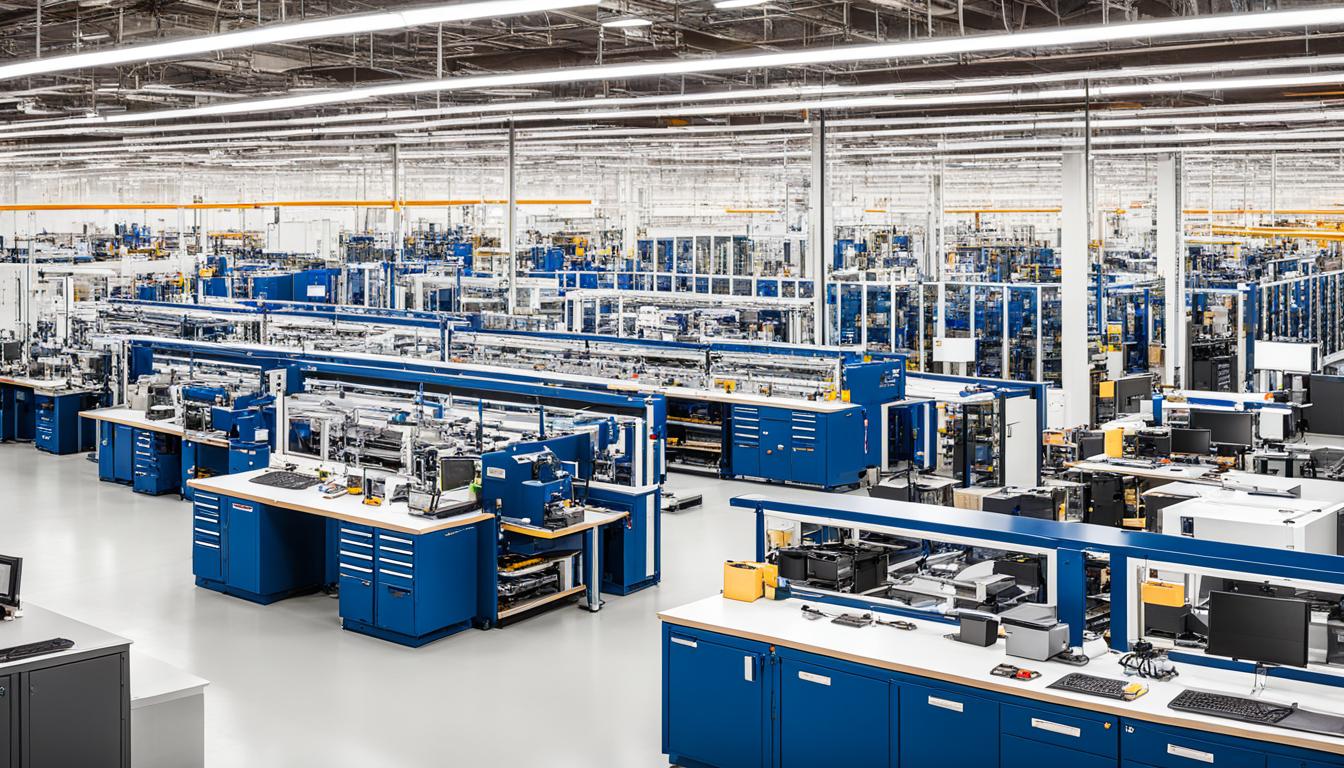
In manufacturing, machines play a central role in optimizing production processes and reducing waste. They provide efficiency, consistency, and speed, allowing for standardized operations. On the other hand, service organizations heavily depend on IT systems to facilitate service delivery, customer interactions, and data management.
An IT system in a service organization often acts as an equivalent to a manufacturing workstation, aiding in processing customer requests, managing orders, and providing real-time information. However, IT systems in services may have certain limitations when it comes to quick modifications compared to the flexibility of machines in manufacturing. This poses unique challenges for Lean implementation in the service sector.
Adapting to Rapid Change with Rapid IT Prototyping
In order to optimize service activities and support Lean improvements in service organizations, rapid IT prototyping is crucial. This approach allows for quick modifications and enhancements to IT systems, ensuring that they align with evolving customer needs and internal process improvements.
“Rapid IT prototyping enables service organizations to respond swiftly to changing customer demands and market dynamics. By continuously refining and adapting IT systems, companies can enhance service delivery, eliminate waste, and improve overall efficiency.”
In traditional Lean environments, physical machines can be reconfigured or replaced relatively quickly to improve productivity and eliminate bottlenecks. However, IT systems require a different approach. Rapid IT prototyping allows service organizations to test and implement new ideas and modifications in a controlled manner, ensuring that changes to the system do not disrupt critical operations.
Flexible IT Change Journeys for Lean Optimization
Flexibility within the IT change journey is vital for service organizations pursuing Lean optimization. Traditional manufacturing processes can often be adjusted rapidly due to the physical nature of machines. In contrast, modifying IT systems may involve more complex procedures and dependencies, leading to potential limitations in agility.
“To successfully implement Lean improvements in service organizations, flexibility in IT change journeys is key. It allows for adaptive IT infrastructure, accommodating evolving customer requirements and supporting continuous improvement initiatives.”
By incorporating flexible IT change journeys, service organizations can align their IT systems with Lean practices effectively. This involves establishing robust change management processes, creating an agile IT infrastructure, and fostering collaboration between IT specialists and process improvement teams.
As service organizations continue to bridge the gap between Lean principles and IT systems, the importance of rapid IT prototyping and flexible IT change journeys cannot be understated. By leveraging these strategies, service organizations can optimize their activities, achieve process excellence, and deliver enhanced value to their customers.
Applying Lean in Service Organizations
To successfully implement Lean principles in service organizations, it is crucial to employ specific strategies that align with the unique context of the industry. By adopting these Lean implementation strategies, service organizations can streamline their processes, minimize waste, and enhance overall efficiency.
Leveraging Value Stream Mapping
One effective strategy is to leverage value stream mapping to identify waste and bottlenecks within service processes. Value stream mapping provides a visual representation of the flow of activities, enabling organizations to identify areas of improvement and implement targeted Lean initiatives. By analyzing the entire service delivery process, organizations can optimize each step and eliminate activities that do not add value to the customer.
Fostering Collaboration and Autonomy
Building a culture of collaboration and autonomy is another important strategy for Lean implementation in service organizations. By empowering employees to take ownership of their work and encouraging cross-functional collaboration, organizations can tap into the collective knowledge and skills of their workforce. This approach enhances problem-solving capabilities and facilitates continuous improvement throughout the organization.
Considering Human Capital Waste in the Value Stream
Service organizations often deal with a diverse range of tasks and roles, leading to potential waste in human capital. To address this, organizations must consider human capital waste as part of the value stream analysis. By identifying tasks that do not align with the organization’s core objectives or add value to the customer, organizations can reassign resources and optimize their workforce effectively.
Using Rapid IT Prototyping for Improvement
Considering the heavy reliance on IT systems in service organizations, using rapid IT prototyping can greatly support Lean improvement initiatives. By allowing for quick modifications and prototyping of IT systems, organizations can swiftly implement process enhancements and capitalize on opportunities for improvement. This agile approach ensures that service organizations can adapt their IT infrastructure to align with Lean principles and customer demands.
By employing these Lean implementation strategies, service organizations can unlock their full potential for efficiency and customer satisfaction. Tailoring Lean tools and techniques to the unique context of service delivery maximizes the effectiveness of Lean initiatives, ultimately driving success and growth in the industry.
Conclusion
In conclusion, the application of Lean principles in both service and manufacturing industries is crucial for improving efficiency and customer satisfaction. While there are similarities between Lean in service and manufacturing, there are also important differences that need to be considered.
Manufacturing focuses on optimizing production processes, minimizing waste, and achieving just-in-time delivery. On the other hand, service organizations must prioritize meeting complex customer needs and providing a personalized experience throughout the entire service process.
Service processes tend to be more complex, involving various decision points, interactions with computer systems, and the need for constant adaptation. This requires adaptations of Lean tools and techniques to effectively identify and eliminate waste in service organizations.
Trust, adaptability, and a culture of continuous learning are essential for sustainable Lean transformations in both service and manufacturing sectors. By implementing Lean principles and practices, organizations can streamline processes, improve efficiency, and ultimately deliver enhanced value to their customers.